• Skip to primary navigation
  • Skip to main content
  • Skip to primary sidebar
  • Skip to footer
Fort Collins Dentist

Collindale Dental Formerly Owens Dental

Fort Collins Dentist

  • About Us
    • Our Facility
    • Meet Our Team
    • Our Wellness Plan
  • Meet Our Doctors
    • Meet Dr. Rabun
    • Meet Dr. Owens
    • Meet Dr. Akrie
  • Services
    • Services Overview
    • Preventative Dentistry
      • Comprehensive Care
      • Dental Hygiene & Cleanings
      • Oral Cancer Screenings
      • Mouth & Night Guards
    • Restorative Dentistry
      • Composite Fillings
      • Crowns & Bridges
      • Root Canals
    • Sedation Dentistry
    • Cosmetic Dentistry
    • Implant Dentistry
  • Showcase
    • Testimonials
    • Smile Gallery
  • Patient Resources
    • Contact Us
    • Schedule Online
    • New Patients
    • Make a payment
    • Blog
  • We have news!

Dental Work

Oral Cancer: What You Need to Know to Keep Your Mouth Healthy

April is Oral Cancer Awareness Month, and though it may be wrapping up within the week, oral cancer isn’t something we should focus on for just one month. It’s something to remain vigilant about all year. With that in mind, we’ve compiled the following list of information, gathered from the American Cancer Society and Oral Cancer Foundation websites, to help you become more informed. Please keep in mind that this information is intended to give you a general overview only, and consulting your physician or dentist is always recommended for additional questions, concerns, and clarification.

Oral and oropharyngeal cancers affect thousands of Americans, with about 50,000 new cases diagnosed each year, according to the Oral Cancer Foundation. Oral cancer begins in the oral cavity, where your tongue, teeth, gums, front of the tongue, and the roof of your mouth reside. Oropharyngeal cancer begins just behind the oral cavity, where the soft palate, base of the tongue, tonsils, and side and back of the throat are. The different types of cells in the oral cavity and oropharynx can give rise to different types of cancers, all with different treatment options and prognoses.

Oral Cancer: The Numbers

49,750 new cases a year. 9,750 deaths a year (that’s 1 person per hour, 24/7). 57 percent survival rate over a period of 5 years. 2 men for every woman.

The statistics are staggering. But in many ways, oral cancer has yet to make its way into the mainstream consciousness of American culture. Because early symptoms are rarely noticeable, it can develop without interference for a long time before the patient seeks treatment. And several cases are caused by human papilloma virus (HPV), which doesn’t produce the telltale lesions that are often early signs. Common late-stage discovery and subsequent treatment difficulty account for the low survival rate.

Risk Factors

Oral cancer most commonly occurs in individuals over the age of 40, though non-smokers under fifty are also susceptible. Other causes include frequent tobacco and alcohol use, as well as certain viruses (HPV being the most common culprit). Tobacco and heavy alcohol use damage the cells they come in contact with, meaning such cells must divide and replace themselves more rapidly… and accuracy can be sacrificed in the way of efficiency. Sometimes tobacco usage can even directly damage the DNA and lead to the mutations that spur the disease. And HPV can cause cells to produce proteins that inhibit cell growth regulation, which can also lead to cancer.

Symptoms

As mentioned above, many of oral cancer’s earliest signs and symptoms go unnoticed until its later stages. Some definite warning signs include pain or a sore in the mouth or on the lip that does not heal; a red or white patch in the oral cavity or oropharynx; a lump on the lip, mouth, or neck; a persistent sore throat, difficulty swallowing & chewing, and numbness of the tongue<. consult your dentist or physician immediately.

Treatment Options

Depending on how far the cancer has progressed, and where it is located when diagnosed, several treatment options exist. Through surgery, cancerous tumors can be removed, and the affected areas can then be reconstructed. Radiation therapy and chemotherapy target cancerous cells to slow their growth and destroy them altogether. Targeted drugs, which aim to fight the more specific causes associated with oral cancer, can be implemented in lieu of standard chemotherapy. And palliative treatment helps ease symptoms and maintain the patient’s quality of life for as long as possible.<

What You Can Do to Prevent Oral Cancer

There are a few other things you can do to lower your risk and prevent the disease. Avoiding tobacco use is a great way to start, and quitting, even if you’ve been using tobacco for years, can still greatly lower your risk. The Health District of Northern Larimer County even offers its own tobacco quit program to offer support for those who would like to do so. You can also limit alcohol intake and avoid anything that might lead to contracting HPV. While we may never be fully able to erase the risk of contracting oral cancer, there is hope in every determined decision to make ourselves healthier.<

The Importance of Dental Screenings

The screenings you’ll receive at every checkup with us help detect the disease early on. With early detection, the survival rate for oral cancer increases exponentially. This is why we offer in-office oral cancer screenings to all of our patients. During your oral cancer screening, Dr. Owens carefully examines the interior of the mouth, including the back of your throat and tongue, as well as the lymph nodes in your neck. If any abnormalities are found, a biopsy may be taken and sent to a local lab for further analysis. It is our goal to detect oral cancer in the earliest stages possible. If you think you may be experiencing any of these symptoms, please contact us to schedule an exam and oral cancer screening immediately.<

Resources:

  • Oral Cancer Foundation
  • American Cancer Society

Local Resources:

  • Oral Cancer Screenings at Owens Dental
  • Tobacco Free Colorado.org
  • Step Free from Tobacco, Provided by Larimer County

Implants: Types, Procedures, Technology
Dr. Owens is heading to a continuing education course in Mexico so he can expand his dental implant knowledge and skills! If you’re jealous or feeling left out, don’t worry. We’ll bring the fun to you! And by that, we mean here’s a blog about implants. Unfortunately, we can’t help you with the trip to Mexico part.

Types and Other General Information

Anyway. Let’s start by testing your dental implant IQ! Break out a pen and a piece of paper, and let’s get started. And no scrolling down to peek at the answers!

Dental Implant: what is it?

  • A plant that looks like tooth, which you’d place in a garden or a sunny corner of your house
  • A tiny robot that goes inside your mouth
  • An artificial structure that prevents bone loss and supports a prosthetic tooth
  • The tooth fairy’s lesser-known cousin. He wears a cape!

How many types of dental implants are there?

  • Five
  • Two
  • One
  • Eight

In order to be eligible for a dental implant, you should…

  • Be in good health – generally and orally
  • Have enough bone in your jaw to support the implant
  • Possess healthy gum tissue that is not afflicted with periodontal disease
  • All of the above

True or false: dentures can be a kind of implant.

  • True
  • False

Let’s find out how you did!

  1. An artificial structure that replaces a missing tooth, meant to prevent bone loss and support a prosthetic tooth. A dental implant is a device (most commonly, a screw) placed in your gum to replace a missing tooth root. When a tooth is extracted, or the root is lost through injury or periodontal disease, bone loss can immediately begin.  An implant can help counteract this problem by maintaining the integrity of your jaw bone and preventing bone loss, and it can later be capped with a crown that will aesthetically and functionally replace the missing tooth.
  2. Two — There are two types of dental implants: endosteal and subperiosteal. Endosteal implants integrate directly with the jawbone, while subperiosteal implants rest on top of it.
  3. All of the above — You’ll want to be in good health to receive a dental implant, especially orally. Since implants work with the gum tissue and bone in the mouth, you need to ensure you have a solid foundation by maintaining strong oral health.
  4. True! Dentures are a full-mouth prosthesis, which can affix to multiple implants in your gums. You can also replace a couple of teeth at once with a bridge (a sort of smaller denture), or replace a single tooth with just one implant.

Procedures

As mentioned above, there are only two types of implants (endosteal and subperiosteal), but multiple options to choose from among these types:

  1. Single Tooth Implant — This is your best bet for maintaining the integrity of your jaw bone, as the implant actually replaces an entire tooth root. With a bridge or a set of dentures, the areas surrounding the implant may become compromised. The procedure is as follows: your dentist, periodontist or oral surgeon will place the implant and may add a healing cap to help solidify the structure. We then wait for a few months before you come by the office for Dr. Owens to check that the implant is healing well and has fully integrated into the bone. If everything looks good, we taken the final impression, send things off to the lab and a few weeks later we have you back to add the finishing touch! Single implants can be an excellent replacement for front teeth or molars as they functionally and aesthetically imitate you real teeth so closely.
  2. Multiple Tooth Implant-Supported Bridge — This procedure allows for the replacement of several teeth. In this procedure, the prosthesis is affixed to the gums via the same mechanisms as an individual tooth replacement. And, unlike fixed bridges, this type of implant replacement is done without relying on neighboring teeth for support.
  3. Full Teeth Implant-Supported Denture — You can think of this procedure as an extended version of an implant-supported bridge. Implants inserted into the gum bond with the jaw bone, and as they heal, they provide the foundation for a full set of dentures. Again, because the implant combines directly with the jaw bone, this option preserves bone density better than other, non-implant-supported dentures.

Technology

“Is there a way to check bone levels before going through with an implant?”

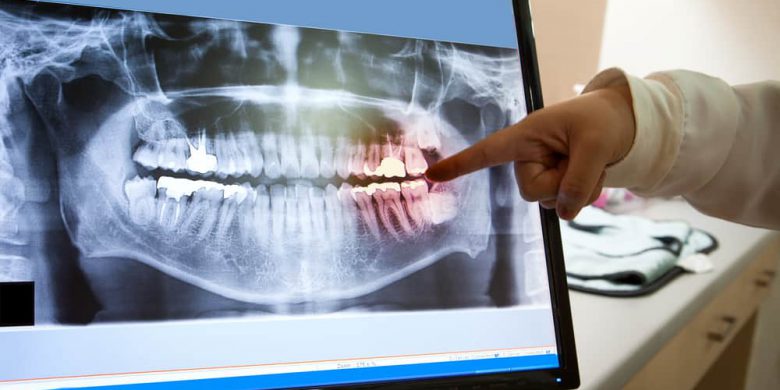
We’re so glad you asked! As a matter of fact, there is, and our newest member of staff can help out with that. Earlier this month, we welcomed a 3-D X-ray, called a Conebeam, to our office (we’re currently taking name suggestions, by the way… send us yours in the comments below!). This machine takes a panoramic image of your face by capturing hundreds of photos per second. Then, the computer synthesizes these photos to produce a cohesive 3-D image of the teeth and the jaw bone. This allows the dentist to see what kind of canvas he’s working with, and to determine the best course of action for a patient’s unique situation.

For Additional Information:

Learn more about implant options at our office by clicking here.

Visit the American Academy of Periodontology’s website, which was also instrumental in the writing of this article!

Lastly, contact us to set up an appointment if dental implants are something you’re considering. We would be happy to answer any further questions you may have about the types, procedures, and technology involved in creating your best smile!

Learn How Dental Implants Work

Over 69% of Americans between the age 35 and 44 have lost at least one tooth. That number grows even higher, hitting the 75% mark when you get to seniors over the age of 74. While many research replacement options for purely aesthetic reasons, there are functional considerations as well. Dental implants have the added advantage of mitigating most of the health issues associated with the loss of teeth.

Dental Implants: What Are They?

To understand what a dental implant is, you need to understand the structure and placement of a tooth. A permanent tooth has two main sections:

The Crown

The crown is the visible part of a tooth. It is covered in enamel. Enamel, the white covering of teeth, is the hardest element in the human body. It is, however, prone to decay caused by bacteria and poor oral hygiene.

The Root

The roots of your teeth differ from tooth to tooth. Molars have three roots, premolars have two, and canines and incisors have one root each. The root is fused to the jawbone. When a tooth is lost, the remaining teeth can shift to move into the gap, which by extension can cause the deterioration of the jawbone and facial contour.

The dental implant procedure is a surgical tooth replacement option that seeks to entirely replace a lost tooth. A dental implant will provide replacement for both crown and root of the tooth. These replacements have the feel and functionality of natural teeth. The dental implant procedure is, however, a delicate process, and must be entrusted to highly-trained professionals.

Types of implants

The dental implant itself is, at its most basic level, an artificial root designed from titanium. The titanium structure is complemented by bone-like ceramics, and forms the strong foundation upon which a full denture, crown, or bridge will be fixed. There are two main types of implants:

Endosteal

This implant is surgically attached to the jawbone. The gums are then allowed to heal naturally, after which a post, or abutment, is attached to the implant. The post, or abutment, connects the prosthetic tooth to the artificial root (implant).

Subperiosteal

These implants are surgically placed below the gums and on top of the jawbone. The implants fuse to the bones as the gums heal.

Dr. Owens combines years of experience with the latest dental technologies to ensure that the procedures are both successful, and comfortable for you, the patient.

Dental implants are discussed in greater detail further down the page, but still, nothing beats old-fashioned consultation when it comes to health issues. Call us for more information on dental implants.

How Fort Collins Dental Implants Work

To understand how Fort Collins dental implants work, let us look at the two main activities of the dental implant process;

  1. Identifying a Candidate
  2. The Dental Implant Procedure

Identifying A Candidate: Who Qualifies?

Everybody who has lost a tooth is a potential candidate for a dental implant. The surgical nature of the procedure, however, makes it necessary to select candidates very carefully. Three main qualities determine who qualifies, and who does not:

First, the State Of The Jawbone

Fort Collins dental implants involve the surgical attachment of a titanium root to the jawbone. The jawbone must, therefore, have enough mass to support the implant. The bones must also be strong enough to withstand the chewing action and pressure of the teeth replacements as they are used. Dental implants are not an option for every person, and the best way to determine if you are a good candidate is to have a consultation. Here at Owens Dental, a 3D imaging machine is utilized too quickly, and accurately, determine the state of the jawbone prior to a dental implant. This will help determine if your jawbone has the structural strength to withstand the procedure, as well as maintain its strength over the years.

Dr. Owens offers two alternatives for people in Fort Collins who do not qualify for regular dental implants, but still desire a repair for their missing tooth.

1. Mini Dental Implants:

Mini dental implants are structurally similar to regular implants but smaller. Regular implants have a diameter ranging from 3.4mm to 5.8mm whereas the diameter of mini implants ranges from 1.8mm to 3.3mm.

2. Bone Grafting:

Bone grafting involves surgically fusing bone fragments from other parts of the body to the implantation site, to re-enforce the bone. Artificial bones can be used in place of actual bone fragments, depending on the need. The transplanted bone may require several months to grow enough new bone tissue to support an implant.

In some cases, however, the necessary grafting will be minor, and may be done on the same day as the dental implant. These are, however, special cases, the exception rather than the norm, and the process takes time. An ideal dental implant procedure can take anywhere between five to eight months. Be wary of facilities offering generalized dental implants in one day.

The longer a tooth has been absent, the higher the likelihood you’ll need a bone graft. This is why Owens Dental encourages patients to opt for dental implants as soon as possible. Delays usually lead to the increased cost of bone grafting.

The secret to affordable dental implants lies in mitigating the risk of side-costs associated with the implant process.

Second, the state of the gums

Gum disease is the most common cause of tooth loss in the world. This condition also lowers the chances of successful dental implantation. Gum disease absolutely must be adequately addressed before dental implants are sought. The hygienists at Owens Dental are well-equipped to nurse your gums back to health before the any dental implant is placed. They can perform periodontal exams and diagnosis, as well as any necessary treatments before the dental implants are placed. Dr. Owens always recommends continuing with routine maintenance and cleaning appointments after implants have been placed to ensure the success of the implant.

Third, General Health

Placing dental implant involves invasive surgical procedures. A general health examination will help determine how well, and how quickly recipients will recover from the procedure. Chronic illnesses, uncontrolled diabetes, compromised immune systems, and radiation treatments may affect qualification for the procedure.

The Dental Implant Procedure: The Details

The particulars of the dental implant procedure varies from case to case. There are, however, three main steps that characterize the ideal dental implant:

  1. The Oral Examination and Bone Grafting: The main aim of this step is to determine the ability of the jaw and gums to accommodate the procedure. 3D imaging and X-Rays may be used to assess the state of the jawbone. At this stage, if it is determined that the jaw bone cannot sustain the implant, alternative options are discussed and implemented. A bone graft lengthens the process by an average of three to six months depending on individual’s rate of recuperation.
  2. Surgical Implantation Of The Titanium Root: The surgical implantation of the titanium root occurs before the placement of the artificial tooth. Before the artificial tooth is added, however, the titanium root is allowed to fuse with the jawbone as the jaw heals. Individual rates of healing determine the time for this step. Some people will heal within a month while others can take upwards of four months.
  3. Placing The Artificial Tooth: A post (abutment) is at this stage attached to the titanium root. The post connects the root to the artificial tooth. The artificial tooth is designed to match the original tooth and may take up to two weeks to create. Attaching the prosthetic tooth to the root is, however, a relatively short procedure. All it takes is a short appointment with the dentist and the dental implant is complete.

These three steps may be varied to accommodate unique cases. Below are the approaches employed by Owens Dental, for different potential situations;

  1. Implantation Of A Single Tooth: In this case, the implant replaces an entire root and, therefore, maintains the general structure of the jawbone. Dr. Owens implants the titanium root onto the jawbone and gives the two time to fuse and heal. He and his team then design the prosthetic tooth to match the lost tooth and fix it onto the implant. Dr. Owens highly recommends the procedure for the replacement of molars and front teeth.
  2. Multiple Tooth Implant-Supported Bridge: This is the best option when more than one tooth is being replaced. Unlike the traditional fixed bridge, the implant-supported bridge does not depend on nearby teeth for support. Dr. Owens implants the implant-supported bridge in much the same manner as the single tooth implant. The implant-supported bridge, however, supports multiple prosthetic teeth, unlike the single tooth implant; which only supports a single tooth.
  3. Full-Mouth Implant-Supported Denture: This is Dr. Owens’ preferred approach when dealing with full-mouth teeth replacement. The dentures are fixed to the jaw, and provides all the benefits of natural teeth. With implant-supported dentures, implants are placed in multiple sections of the jaw and allowed to fuse with the jawbone for maximum support. A titanium bar can then be utilized to connect and further support the denture on these implants. We offer fixed dentures as well as a “snap on” alternative. Dr. Owens can help figure out which solution is right for you. Here at Owens Dental, we want to make sure that the fit ( both aesthetically and functionally) is absolutely perfect for the individual. To reduce the waiting period between visits, we work with an excellent lab right here in Fort Collins.

The loss of an entire set of teeth is, usually, succeeded by deterioration of the jawbone and loss of general facial structure. This is why Dr. Owens takes time with full-mouth implant supported dentures. The extra work helps our team of experts to fully restore your natural smile, even after the damage to facial contour and jawbone integrity.

Fort Collins Dental Implants Cost: How Much Does It Cost?

Dental implants cost per tooth ranges somewhere between $2000 and $5000. That may seem to be more expensive than other tooth replacement options like dentures, but that is only true when comparing the upfront costs. When you factor in the long-run cost of the various options, a very different picture emerges. Dentures require frequent replacement, and lack the feel of natural teeth. Dental implants, on the other hand, are permanent. They also offer all of the aesthetic and functional capabilities of natural teeth.

Despite the relatively high price, some facilities seem to offer these services at a fraction of the cost. Be very wary of such facilities. Cheap pricing is usually a trick employed by unethical offices, to land a quick buck at the expense of their patient’s well-being. To avoid falling victim to such groups, ensure that your dentist of choice is an AAID Credentialed Implant Dentist.

These credentials certify that a dentist is knowledgeable and experienced enough to perform the dental implant procedure. It is also always a good idea to ask for references.

Dental Implants Pros And Cons: What Are The Benefits To Dental Implants?

Like every other dental procedure, there are advantages and disadvantages to dental implants.

Dental Implant Pros

  1. They are the most aesthetically pleasing and authentic looking tooth replacement option available.
  2. They are the best tooth replacement option when it comes to restoring the bone structure and facial contour after the loss of a tooth (or teeth).
  3. Dental implants are a source of extra support to the jawbone. They strengthen the bones and teeth.
  4. They do not rely on neighboring teeth for support. This means that they will not affect the positioning and/or strength of the other teeth in the mouth.
  5. They are the most comfortable tooth replacement option available.
  6. They restore the appeal of your natural smile. This goes a long way in boosting self-esteem after the loss of teeth.
  7. They preserve the jawbone’s structure and strength that would otherwise diminish over the years due to the absence of a tooth.
  8. They do not need specialized care. The basics of oral hygiene are enough to keep the implants at their best.

Dental Implant Cons

  1. It is a slow process. Temporary teeth placed on a retainer may be worn over the implant site during the procedure, but for the implant to be done properly, the entire process takes time.
  2. Every human body is different, and while most procedures go off without a hitch, certain complications can arise. Infections can happen after the surgery, and implants can fail. This is why it is important to do your homework ahead of time and make sure that you are a good candidate for an implant, in good general health, and only use time-tested and proven professionals. Remember, if it sounds too good to be true (implants in one day) then it probably is!
  3. Dental implants may necessitate the inclusion of extra work like bone grafting.
  4. They are costly.

Fort Collins Dental Implants In A Nutshell

Dental implants are an excellent tooth-replacement option. For many, the advantages outweigh the disadvantages and most of the limitations are also easy to mitigate. Employing the services of a proven professional like Owens Dental, alleviates most of the downsides associated with dental implants. In particular, the risks for infection are extremely low when professionals are used for this type of invasive procedure. The success rate of dental implants clocks in at over 90%.

For more information on the dental implant procedure please visit our Fort Collins Dental Implant page:
www.OwensDDS.com/services/Dental-Implants-Fort-Collins

Benefits of Metal-Free Restorations

Metal crowns and fillings have held a common place in dentistry for decades.

However, now you have an alternative means to the unsightly restorations. With metal-free restorations, you’ll enjoy the benefits of a more natural appearance. Dr. Owens offers metal-free restorations to not only enhance the appearance of the restoration, but to offer numerous benefits traditional metal fillings can’t offer.

Natural Appearance

Metal-free crowns and fillings give you the most realistic natural appearance. Instead of being made from metal, the fillings and crowns are made from a composite or ceramic material that closely resembles your tooth. Porcelain can even be stained to perfectly match your teeth, giving you a beautiful smile.

Strong and Durable

The metal-free fillings and crowns are durable, so you can eat with confidence. These restorations are longer-lasting and can strengthen and protect your teeth. Unlike metal fillings, composite fillings bond the tooth together and can strengthen a tooth weakened by decay or a chip or crack. In addition, metal fillings often have “leakage”.

This occurs when metal fillings shrink and allow bacteria to seep in between the tooth and the metal filling. Decay can then occur under the filling and the tooth can be compromised. While the fillings and crowns are durable and made to last for years, it is still important to continue to visit the dentist every six months to keep your teeth clean and your gums healthy.

Mercury-Free

In addition to mimicking the natural appearance of your teeth, metal-free fillings also don’t contain mercury. While the American Academy of Dentistry sates levels of mercury in metal fillings is minimal and can be considered “safe” for use, many remain concerned about using mercury in fillings.

With composite fillings, this fear is resolved as the composite resin is completely free of all metals. This also makes them the perfect option for those who are sensitive to metals or have metal allergies.

The Environment

Amalgam fillings are very bad for the environment and a concerning pollutant.The amalgam can pollute water in dental clinics (luckily we are amalgam-free!) and can also pollute the air when disposed of. According to the EPA, mercury in the environment can cause brain damage and neurological problems, especially in children and unborn babies.

Safe and Effective During Pregnancy

Since the fillings are mercury-free, they are safe for patients of all ages and can resolve a number of oral health concerns. Using mercury-free fillings is especially important for pregnant women, where mercury fillings can increase the risk of brain damage and neurological disorders for their unborn baby. Now, pregnant women don’t have to put their oral health needs on hold as the metal-free fillings offered are a safe alternative with minimal health risks.

Metal-Free is the Way to Be!

Dr. Tim Owens proudly offers metal-free fillings and crowns while delivering comprehensive dental care. We offer a number of dental restorations, including fillings, crowns, bridges, and cosmetic bonding to ensure your smile lasts for years. Our main focus is always to keep smiles as healthy as possible, he will restore your smile and help prevent future problems!

If you’d like to learn more about the benefit from metal-free restoration, contact us today for a consultation.

Should I Be Concerned if I Have Gums That Bleed?

Do you equate a healthy, attractive smile with teeth that are dazzling white and cavity free? Absolutely! Yet, while these are undoubtedly major factors, the condition and health of your gums is another part you shouldn’t overlook. Gums play an important role in the health of your smile and are also linked to your overall well-being.

What Your Gums are Telling You

Are you giving your gums the attention they deserve, and are you listening to what your gums are communicating to you? For example, do you have gums that are:

  • Bleeding Easily
  • Puffy and Swollen
  • Red and Tender
  • Pulling Away from Your Teeth

If you experience any of these conditions, it’s important to know that it’s your gums’ way of warning you that something isn’t right. While there are a number of factors that may be causing your gums problems, such as brushing or flossing your teeth too vigorously, the most likely culprit is gum disease.

Exposing Gum Disease

Inadequate oral hygiene permits the sticky film of bacteria called plaque to flourish along the surface of the teeth, leading to gum disease. The danger of gum disease is that particularly in the early stages, it’s usually painless, and therefore often undetected.

Unfortunately, if gum disease is not addressed properly, it can lead to the development of a more serious form called periodontitis. Perio-what? might be your response. But the fact that you may be unfamiliar with the term doesn’t mean that it’s uncommon or harmless.

Periodontal disease is in fact one of the most common diseases in the world. According to recent findings from the Centers for Disease Control and Prevention (CDC), nearly half of Americans aged 30 or older have periodontitis, the more advanced form of periodontal disease. This equals approximately 64.7 million Americans.

This chronic bacterial infection affects the tissues that surround and support your teeth, your jawbone, as well as one or more of your teeth. It’s therefore one of the most common causes of tooth loss in adults.

Protect Your Gums

It’s possible to have gum disease and have none of the warning signs mentioned above, so it’s vital that you take preventive action by scheduling regular dental checkups and periodontal examinations with your dentist. Along with that, care for your teeth and gums by brushing your teeth twice a day, cleaning between your teeth daily, avoiding tobacco products, and eating a balanced diet.

Gum disease and tooth loss are no laughing matter. If you have gums that bleed or any other concerns about your oral health, contact us right away. We would be privileged to help you enjoy a lifetime full of gorgeous, healthy smiles.

Dental Emergencies: Be Prepared in Less than 5-Minutes

Emergency: A serious, unexpected situation requiring immediate action.

Dental emergencies: can often consist of: re-attaching a veneer or crown, attending a knocked out tooth, or performing an emergency root canal or extraction.

This is Not a Test!

Emergencies can occur any time and without warning. This holds true with dental emergencies. When do you ever plan to have your dental crown breakaway while eating, or an errant elbow to knock out a tooth during a “friendly” game of basketball? In fact, dental emergencies often occur at the most inopportune of times.

While you can’t always prevent a dental emergency, you CAN control your response to one. Knowing how to handle such an event can largely impact the outcome. Keep your smile happy and healthy, learn to:

  1. Act quickly. It can make the difference between saving or losing a tooth.
  2. Minimize panic and confusion.
  3. Avoid unnecessary discomfort. Get your smile back on track sooner rather than later.

How can you do all this?

Be Prepared

Have a regular dentist you can call. Especially if your emergency occurs after hours, it’s much more beneficial to have a dentist on call who knows you and your dental situation. In addition, many dentists are only available for emergencies if the individual is a patient of record.

It seems like a silly suggestion, but it’s also important to have contact information for your dentist stored in your phone. If you are the one injured, you can have someone call your dentist and take you there if the information is readily available.

If Dr. Owens is your regular dentist, here’s a link to our contact information. Additionally, if you call outside of our business hours, Dr. Owens’ cell phone number is on our voicemail so you can contact him in case of emergency.

Remember, if a tooth is knocked out:

  1. Immediately put it in milk.
  2. Seek urgent dental care.

Share this reminder with friends and family to ensure they too are equipped! Such emergencies can’t always be avoided, but by working in conjunction with your emergency dentist, your smile will soon be at the top of its game again!

Tooth Be Told: Welcome to Owens Dental!

Do the first notes from Beethoven’s Fifth Symphony sound in your head when you hear the words “going to the dentist”? If so, you’re not alone. Dental-phobia is a common ailment, but… how revolutionary would it be to realize that it doesn’t have to be that way? Is it possible for a visit to the dentist to feel like less of an obligation, a nuisance, or something to be feared… and more of a pleasure and a joy?

Absolutely.

And here at Tim Owens, DDS, we’ve built our practice around that belief. In fact, we make it our priority to provide you with personalized dental care, tailored to your particular situation. In some offices, it can feel as though who you are as a patient is overlooked in favor of a procedure-centric approach with a focus on the practice’s bottom line. But in our office, we want you to know that you, the patient, are our bottom line. If you’re searching for a new dentist, know that here, both you and your teeth will find a place that feels like home.

Other things we wish you knew before your first visit?

We listen.

Nobody likes feeling invisible or ignored. At Tim Owens, DDS, we want to respond to your questions and concerns with the personalized attention you need. Scared of feeling pain during your appointment? We’ll numb the area or even offer sedation options to make your visit as comfortable as possible. Have a fear of needles or prefer to power through? We’ll offer alternatives for you.

We’re not a conveyor belt.

We value first and foremost the relationships we build with our patients, and we’re not here to push you through procedures you don’t want or aren’t comfortable with. Here at Owens Dental, you, the patient, have primary control over your dental situation. When the doctor prescribes treatment, he does so in the best interest of your oral health, and it’s not a mandate; it’s a chance to chat about different treatment options, learn about prevention methods, and discuss what’s best for you. Personalized dental care is not simply possible, we make it our priority!

We’re on your side.

Complications involving insurance claims can make even the most relaxed person irritable. We want you to know that we will fight with and for you, not against you, in your insurance battles. We’ll appeal claims that should be covered, but aren’t, and do our very best to help you optimize your insurance plan. And if you aren’t insured, our TO Savings Plan or financing options provide options so we can work with your budget to ensure you still get the care you need. You’re not alone. We’re here to help.

We’re friendly!

We love talking to you and getting to know your story. We understand that you are more than your teeth; you’re the person behind your smile, and helping you become a part of our patient family is our favorite part of this job.

Would you like to hear and read what other patients have to say about their experiences at Owens Dental? 

Have any questions or ready to come see us? Give us a call at (970) 377-2557 – we look forward to seeing you!

Primary Sidebar

Browse by topic

  • Aesthetic Dentistry
  • Dental Advice
  • Dental Implants
  • Dental Work
  • Local Fort Collins Events & News
  • Preventative Dental
  • Restorative Dentistry
  • Uncategorized

Recently added

Silver linings of 2020

giving back for the holidays ❤

The First Dental Visit: What You and Your Child Can Expect

White Christmas: Tips & Tricks to Whiten Your Teeth This Holiday Season

Top Ten Reasons to Be Thankful for Your Teeth!

At Collindale Dental we provide gentle dentistry and a comfortable dental experience.

Ready to schedule? We look forward to seeing you!

Schedule Online

  • Facebook
  • Instagram
tooth SCHEDULE ONLINE
tooth(970) 377-2557

Footer

Collindale Dental
3506 Lochwood Drive
Fort Collins, CO 80525

970-377-2557
info@owensdds.com

  • Facebook
  • Instagram

Scheduling

970-377-2557

Schedule Online →

Please call for emergency appointments.

Hours of Operation

Monday: 7:00am – 4:30pm

Tuesday: 7:00am – 4:30pm

Wednesday: 7:00am – 4:30pm

Thursday: 7:00am – 4:30pm

Patient Resources

Schedule Online→

Make a Payment→

New Patients→

© 2026 OWENS DENTAL. All rights reserved. Privacy Policy
· Financial & Office Policies ·